
Higher Education in Tier 3 cities

Project Partners
Stockholm University

Sample size
20 college students and 20 high school students (pilot study)

Geography
Delhi, India

Study Description and Research Questions
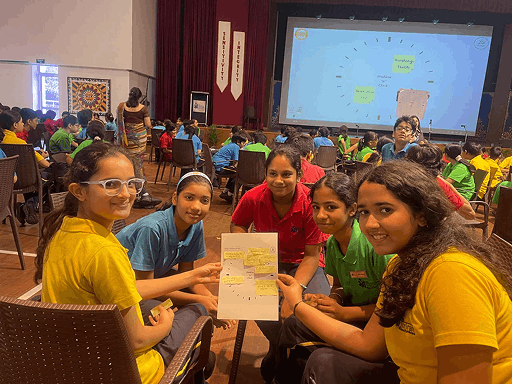
This program aimed to evaluate the career aspirations of (female) students in tier 2 and tier 3 cities and the challenges/barriers to migration to metro cities for higher education.

Aawaaz Responsibilities/Tasks:
Aawaaz facilitated the design of the pilot program, which included conducting focus group discussions with migrant college students in Delhi to highlight the barriers and opportunities of migrating to Delhi for higher education, and administering a survey (using SurveyCTO) in an unaided private school in suburban Delhi.

Peer Teaching and Foundational Literacy
Project Partners
Involve Learning Solutions, Harvard University, University of British Columbia
Sample size
800+ classrooms
Geography
Bihar, India
Study Description and Research Questions
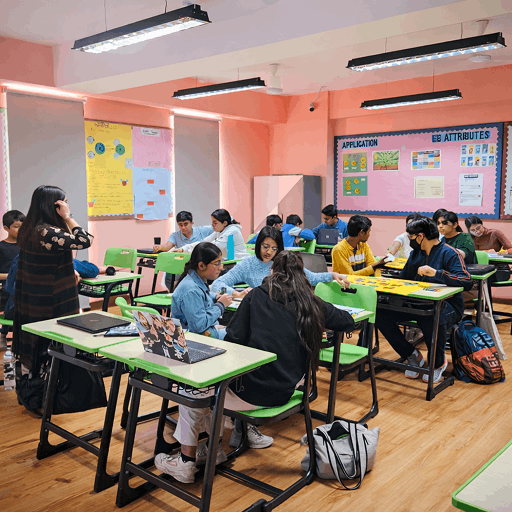
This program evaluates peer teaching as a pedagogical model in large, diverse classrooms. The research questions focus on how peer-led learning interventions improve accessibility, equity, and student outcomes, and how teachers experience the transformation of classroom dynamics through peer instruction.
Aawaaz Responsibilities/Tasks:
Aawaaz supported the program as an implementation partner, with tasks including survey administration, enumerator training, transcription, data cleaning, and logistics such as survey printing, transportation, and scanning. The team managed budgeting, resource deployment, and field visits, while also collaborating as co-researchers to conduct teacher interviews. Insights from this work contributed to a published paper on peer teaching interventions.
WISE
Project Partners
Columbia University, University of California San Diego (UCSD)
Sample size
13,816 students across 23 schools
Geography
13 cities across Delhi, Uttar Pradesh, Rajasthan, and Odisha
Study Description and Research Questions
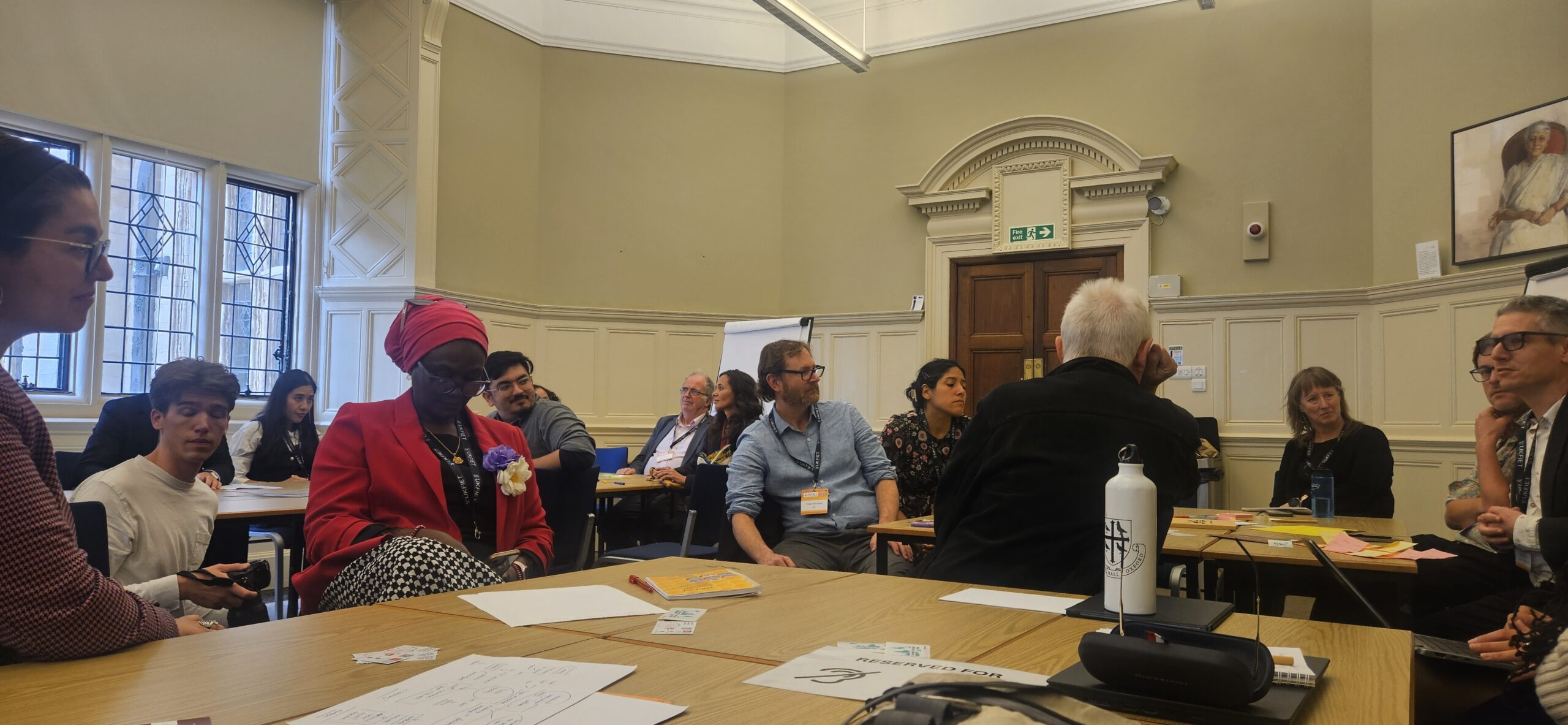
This study employed social network analysis using the Socionomy toolkit to understand peer networks, learning outcomes, and the role of classroom interventions in shaping social capital among students. A key research question examined how randomized seating arrangements could alter friendship patterns and influence student interactions over a 2.5-month intervention period.
Aawaaz Responsibilities/Tasks:
Aawaaz functioned as the implementation partner, overseeing
on-ground data collection, intervention deployment, monitoring, and stakeholder engagement. Tasks included administering baseline and endline surveys, implementing randomized seating plans, coordinating site visits, managing transcription, cleaning, and processing of data, and producing school-level reports. The team also managed survey logistics such as printing,
transportation, scanning, and coding, alongside budgeting and resource allocation.
Socionomy
Project Partners
Columbia University, University of California San Diego (UCSD)
Sample size
13,816 students across 23 schools
Geography
13 cities across Delhi, Uttar Pradesh, Rajasthan, and Odisha
Study Description and Research Questions
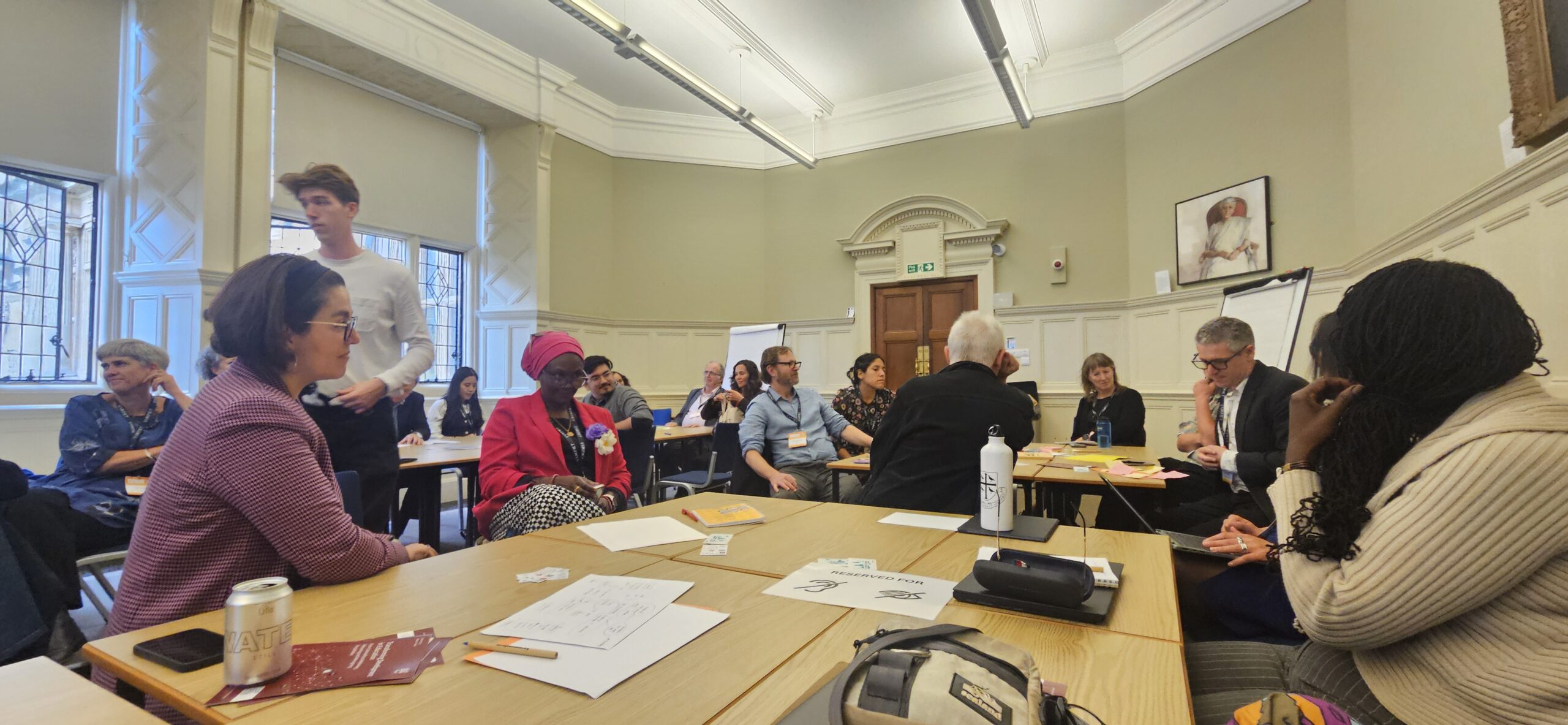
This study employed social network analysis using the Socionomy toolkit to understand peer networks, learning outcomes, and the role of classroom interventions in shaping social capital among students. A key research question examined how randomized seating arrangements could alter friendship patterns and influence student interactions over a 2.5-month intervention period.
Aawaaz Responsibilities/Tasks:
Aawaaz functioned as the implementation partner, overseeing
on-ground data collection, intervention deployment, monitoring, and stakeholder engagement. Tasks included administering baseline and endline surveys, implementing randomized seating plans, coordinating site visits, managing transcription, cleaning, and processing of data, and producing school-level reports. The team also managed survey logistics such as printing,
transportation, scanning, and coding, alongside budgeting and resource allocation.
Teacher Agency & Networks
Project Partners
University of California San Diego (UCSD)
Sample size
300+ teachers across 3 schools
Geography
Delhi, NCR
Study Description and Research Questions
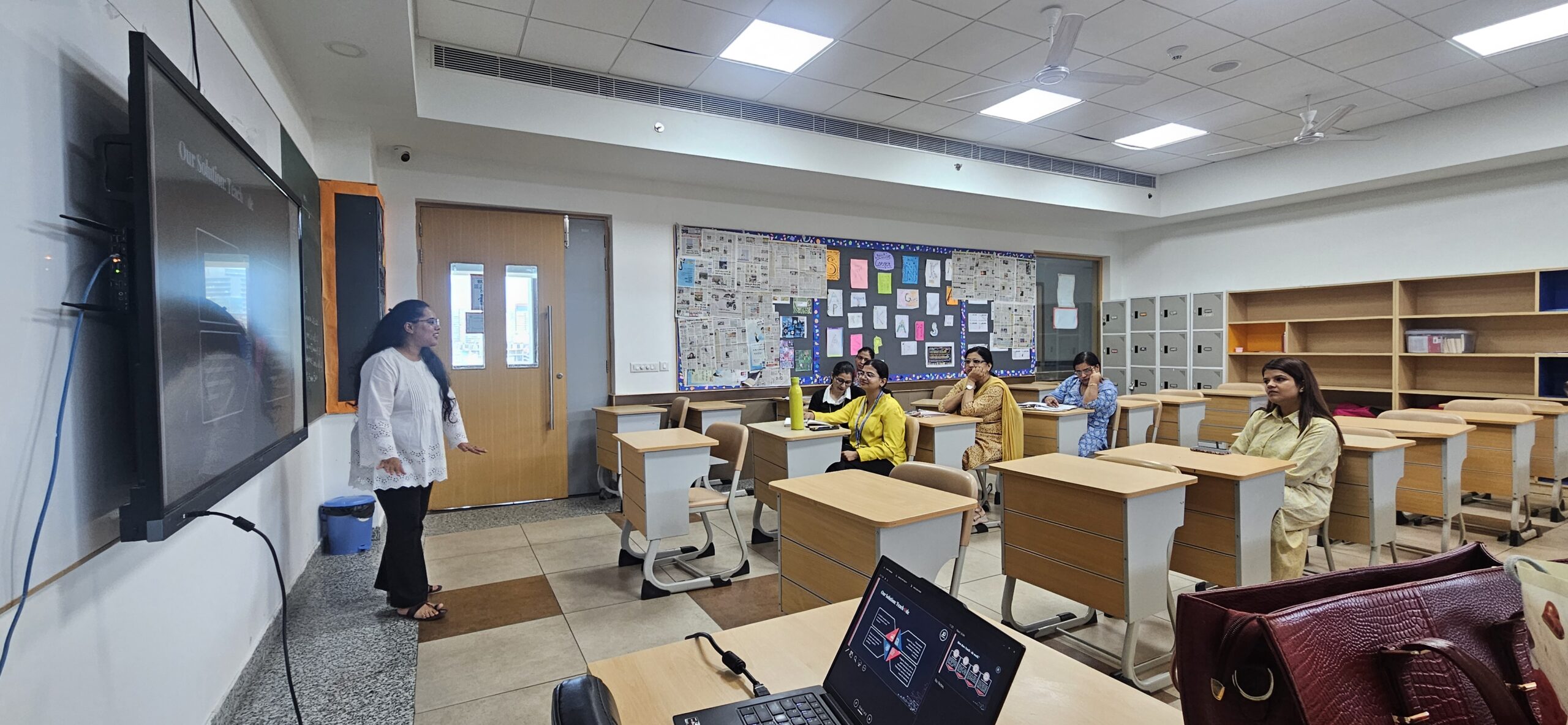
This project examines teacher agency and professional networks, with particular attention to the experiences of teachers working with marginalised students under the Economically Weaker Section (EWS) category. The central research question investigates how teachers build support networks to address the learning needs of disadvantaged students and how institutional settings influence teacher agency.
Aawaaz Responsibilities/Tasks:
Aawaaz conducted online surveys and semi-structured interviews, maintained sustained communication with school management and teaching staff, and facilitated the administration of instruments. The team managed transcription, data cleaning and coding, budgeting, and coordinated logistics across the partner schools.
Vocational Studies and Internships for Students
Project Partners
Learning and Achievement Hub Initiative (LAHI), University of Chicago
Sample size
2000+ students and parents
Geography
13 cities across Delhi, Uttar Pradesh, Rajasthan, and Odisha
Study Description and Research Questions
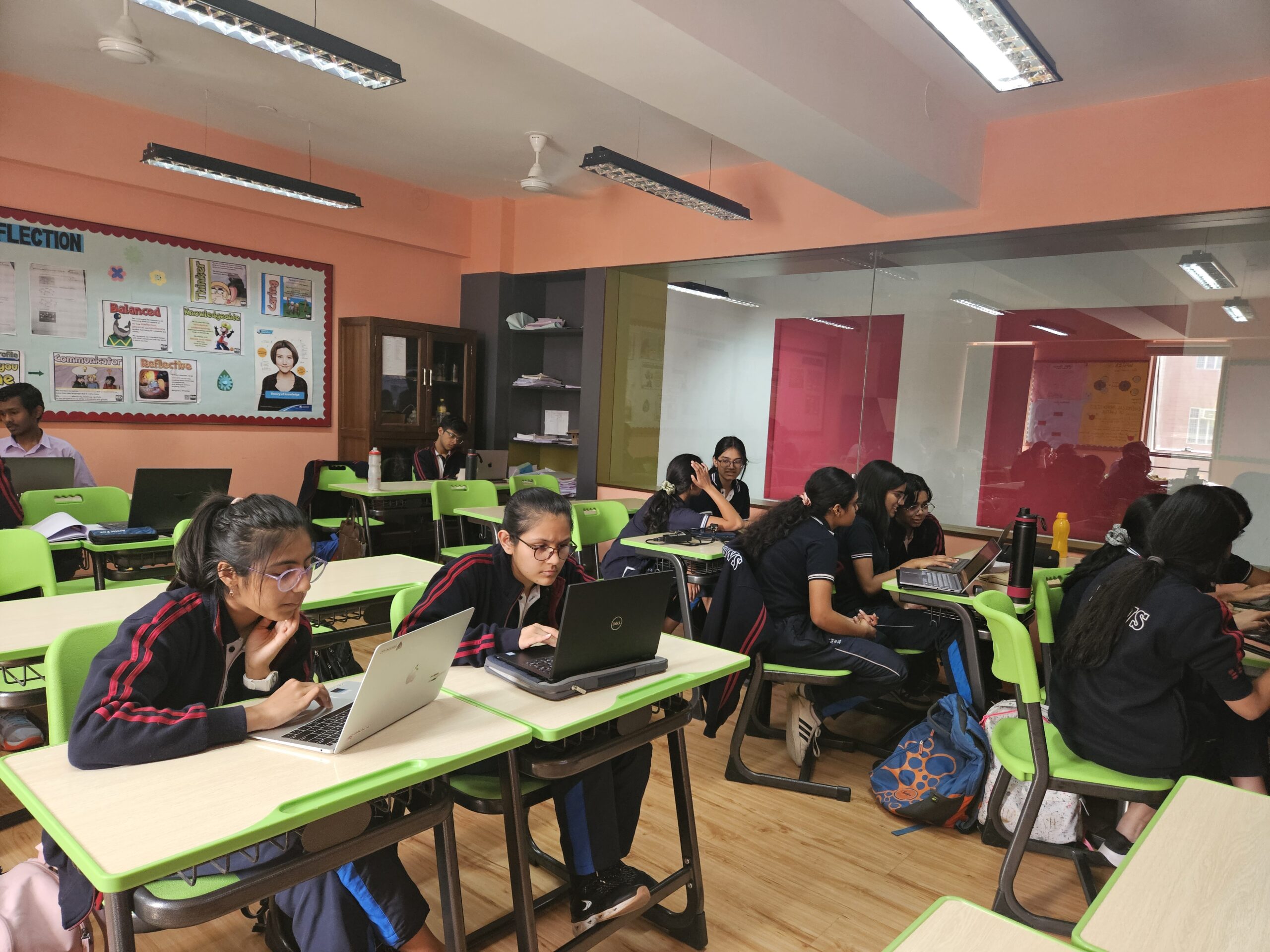
This ongoing longitudinal impact evaluation explores the relationship between structured internship opportunities, family engagement, and student career outcomes. Research questions include how internships shape students’ employability skills and how school-family-employer collaboration strengthens long-term educational trajectories.
Aawaaz Responsibilities/Tasks:
Aawaaz manages the last-mile implementation, including survey administration, data collection and management, and stakeholder liaison across schools, families, and employers. The team facilitates student and parent engagement through online calls, arranges internships by coordinating with employers, prepares reports on school and field visits, and ensures quality data collection (using SurveyCTO). Aawaaz also oversees budgeting to enable smooth program execution.